

The Power of Multimedia Localization: Unlocking Global Audiences
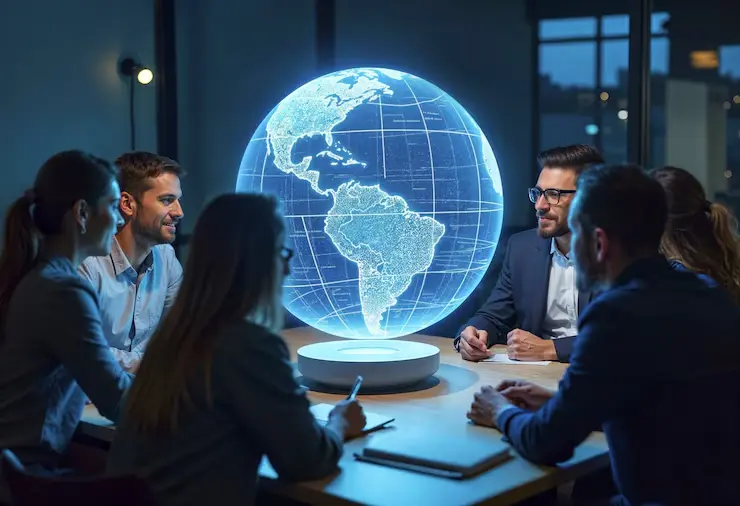
SUMMARY
Multimedia localization is the process of adapting video, audio, and interactive content to different languages and cultures. It goes beyond translation to include dubbing, subtitles, visuals, and cultural relevance. Successful localization enhances global reach, user engagement, and brand trust. While challenges like cultural sensitivity and technical limits exist, early planning and expert teams ensure high-quality results. For businesses, it’s a strategic tool to connect with international audiences and drive growth.
The Power of Multimedia Localization: Unlocking Global Audiences
In today’s digital world, businesses and creators share their messages through video, audio, and interactive content. However, to truly connect with a global audience, simply translating text is not enough. This is where multimedia localization becomes essential. It is the process of adapting all elements of your multimedia content—like videos, podcasts, e-learning modules, and games—to suit different languages and cultures. The goal is to make the content feel natural and engaging for local audiences, as if it was originally made for them. For any company looking to expand internationally, effective multimedia localization is a key factor for success.
Key Components: More Than Just Translation
Multimedia localization involves several important parts that work together:
- Text: This includes subtitles, captions, on-screen text (like titles or labels), and any documents related to the media.
- Audio: This covers dubbing (replacing the original voice with a new language) and voice-over (a new voice played over the original audio).
- Video: Sometimes visual content itself needs changes. This can mean editing scenes, changing graphics, or swapping out images to match local customs and avoid confusion.
- Images and Graphics: Text within images, icons, symbols, and colors often need adaptation, as their meanings can differ across cultures.
Best Practices for Success
To localize multimedia effectively, follow these steps:
- Plan Early: Consider localization from the very beginning. This saves time and money. For example, leaving space for longer text in graphics is helpful.
- Use a Skilled Team: Work with native-speaking linguists and local experts who understand cultural details and current language use.
- Create Clear Guidelines: Provide your localization team with a style guide, a glossary of key terms, and information about your brand’s voice.
- Ensure Technical Quality: Make sure subtitles are easy to read and correctly timed, and that dubbed audio matches the speaker’s lip movements as closely as possible.
Challenges and Smart Solutions
Multimedia localization has its difficulties:
- Cultural Sensitivity: A joke, gesture, or image that is fine in one country might be offensive in another. Solution: Work with cultural consultants to review content.
- Technical Limits: Text expansion (where translated text becomes longer) can ruin a beautiful graphic. Solution: Design with flexibility in mind from the start.
- Syncing and Timing: Making dubbed speech fit naturally is a complex art. Solution: Use specialized studios and talented voice actors.
- Cost and Time: Localizing high-quality video and audio can be expensive. Solution: Plan your budget and timeline early, focusing first on your most important markets.
Trends and the Future
The field is always evolving. AI-powered tools are now helping with tasks like creating initial subtitle drafts or translating simple audio, though human experts are still crucial for quality. There is also a growing demand for localizing e-learning and corporate training videos. Furthermore, audiences increasingly want authentic content, which means using local dialects and cultural references that truly resonate with them.
Examples of Successful Campaigns
Major global companies show how it’s done. Streaming services like Netflix invest heavily in dubbing and subtitling, offering numerous language options so that a show from Spain can become a hit in Brazil or Korea. Similarly, international video game companies don’t just translate dialogue; they adapt character names, story elements, and even menus to create an immersive experience for players worldwide.
How Your Business Can Benefit
For businesses, multimedia localization is a powerful tool for growth. It allows you to:
- Reach new customer bases in their own language.
- Build stronger brand loyalty by showing cultural respect.
- Improve user experience with training and product videos.
- Increase engagement and conversion rates on international social media and marketing campaigns.
In conclusion, multimedia localization is a vital strategic investment. By adapting your video, audio, and interactive content with care for language and culture, you break down barriers, build meaningful connections, and open the door to global opportunities. Multimedia localization is more than a technical process—it’s a gateway to meaningful global engagement. By adapting your videos, audio, and interactive content for local cultures and languages, you not only expand your market reach but also show respect for your audience’s identity. This strengthens brand trust, boosts conversions, and drives long-term growth. In a world where content is king, localizing it right is what truly sets global businesses apart.