
Global Marketing Fails: The $10M “Glowing Meat” Mistake (And How Transcreation Saves Global Brands)
When brands expand internationally, translation alone is never enough. One poorly adapted phrase, image, or campaign can damage trust, confuse audiences, and cost millions. That’s why businesses today rely on professional transcreation and localization services to protect their global reputation.
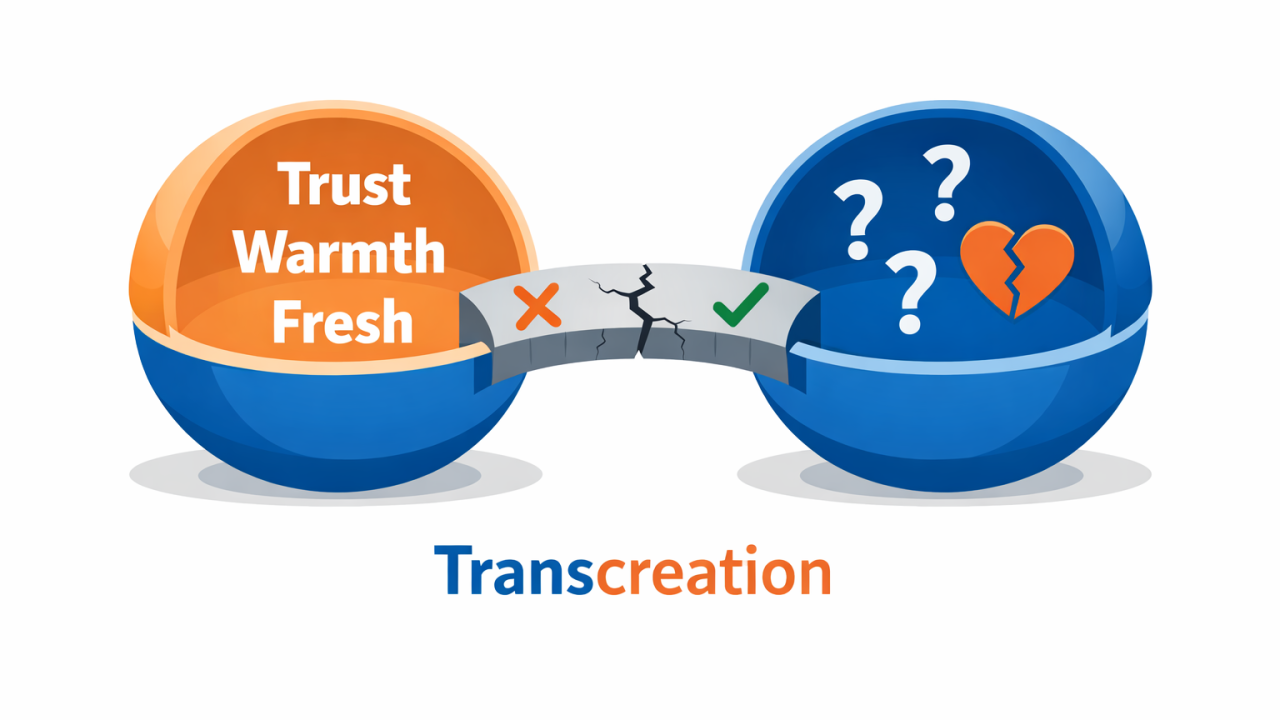
A major American retailer once entered the Mexican market with the slogan: “We’ll leave the light on for you.”
In English, it sounded warm and welcoming. But the literal Spanish translation carried an unintended cultural meaning associated with mourning and funeral traditions in parts of Mexico. The campaign failed — and the company lost millions in marketing spend.
But that wasn’t even the biggest mistake.
The “Glowing Meat” Marketing Disaster
A global food brand launched premium meat packaging in Brazil using bright pink, glowing visuals that performed well in North America and Europe.
In Brazil, consumers reacted negatively.
Why?
Because overly pink or glowing meat is culturally associated with chemically preserved meat, especially formaldehyde-treated products that occasionally appear in illegal markets. Instead of looking fresh, the packaging looked unsafe.
The result?
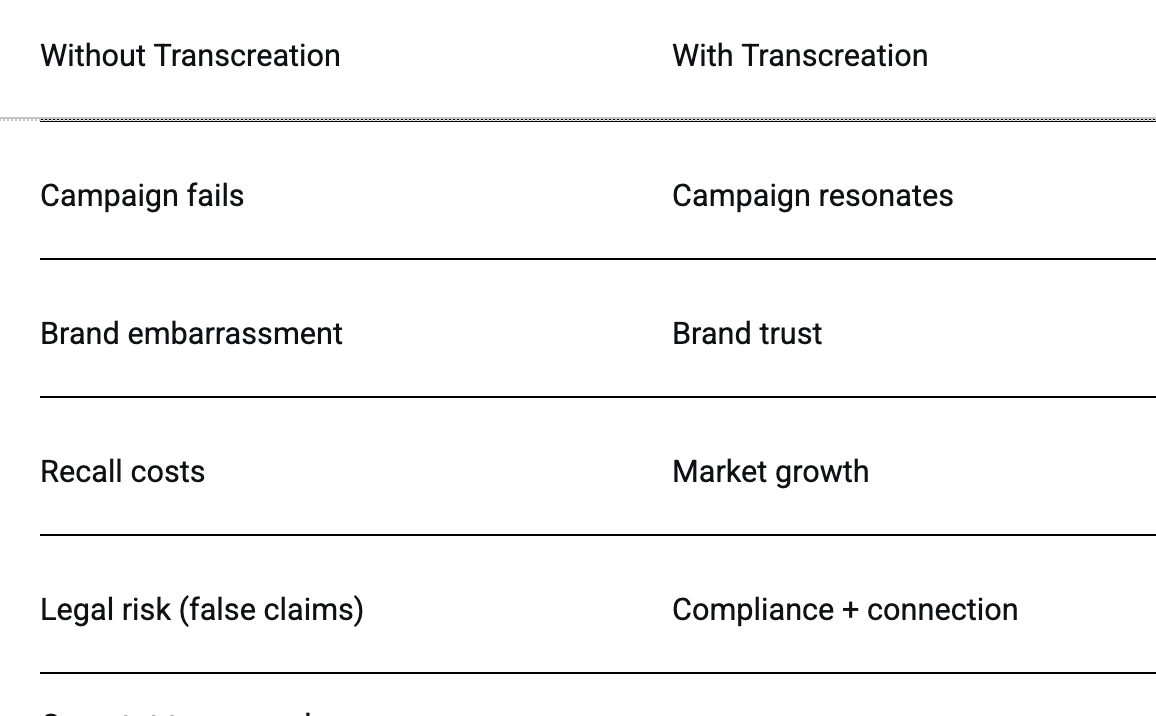
Product recalls
Rebranding costs
Lost consumer trust
Millions in wasted inventory
Industry experts estimated the total loss exceeded $10 million.
This wasn’t caused by bad product quality.
It was caused by poor localization strategy and the absence of professional transcreation services.
The problem? Not translation. Not quality. No transcreation.
Translation vs. Transcreation: The Critical Difference
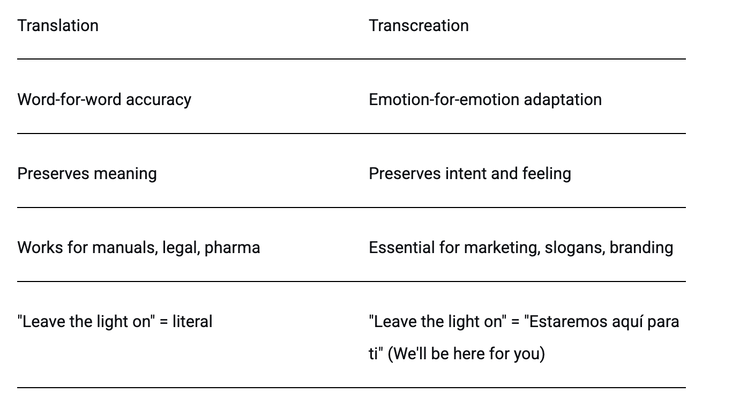
Translation vs. Transcreation: What’s the Difference?
Traditional translation focuses on accuracy.
Transcreation focuses on emotional impact, cultural meaning, and audience perception.
A professional translation service answers: “What does this text say?”
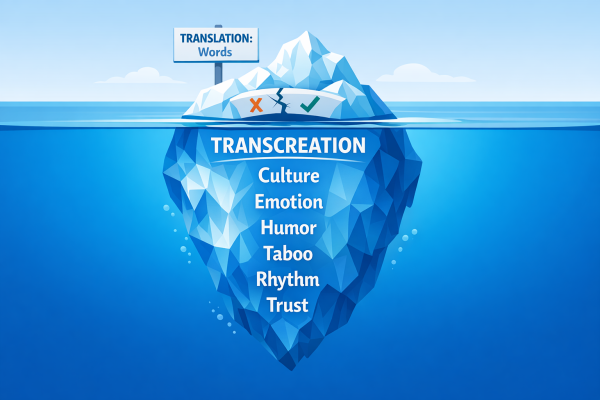
A transcreation agency answers: “How will this message feel to local audiences?”
That distinction is critical for international marketing campaigns, website localization services, multilingual advertising, and global branding.
Why Global Brands Fail Internationally
Many businesses assume language translation services are enough for international expansion. But global audiences respond differently to humor, emotions, symbols, colors, metaphors, and cultural references.
A phrase that sounds inspiring in English may sound aggressive, awkward, or offensive in another language.
This is why leading translation companies invest heavily in:
Cultural localization
Native-language copy adaptation
International SEO localization
Market-specific messaging
Without these, even the world’s biggest brands make costly mistakes.
Real Transcreation Examples from WordPar
1. Beverage Brand Slogan Localization
Original English slogan: “Wake up to something good.”
Literal Spanish translation: “Despierta para algo bueno.”
While grammatically correct, it sounded unnatural and overly commanding.
WordPar’s transcreated version:
“Empieza tu día con lo mejor.”
(“Start your day with the best.”)
The emotional tone stayed positive, natural, and culturally appropriate.
2. E-Learning Localization for Japan
An international training company used the phrase: “Think outside the box.”
The direct Japanese translation created confusion because the “box” metaphor does not carry the same cultural meaning.
Instead of translating literally, WordPar adapted the content into a culturally relevant instructional phrase emphasizing new perspectives and flexible thinking.
The result?
Better learner engagement and improved comprehension.
This is the power of professional localization services.
Why Transcreation Matters for SEO Localization
Modern global businesses don’t just need translation.
They need multilingual SEO optimization.
A localized website must rank naturally in regional search engines like:
Google
Baidu
Yandex
Professional SEO localization services help businesses:
Use region-specific keywords
Improve international search visibility
Adapt content for local search intent
Literal translation often destroys SEO performance because users search differently in every market.
The ROI of Professional Translation & Localization Services
According to CSA Research:
65% of consumers prefer content in their native language
40% will not buy from websites in other languages
This means poor localization directly impacts sales, trust, and conversion rates.
Businesses investing in professional translation services for documents, websites, apps, marketing campaigns, and video localization consistently outperform competitors using automated translation alone.
When Do You Need Transcreation Services?
You SHOULD use transcreation for:
✅ Marketing campaigns
✅ Website translation services
✅ Brand messaging
✅ Product names
✅ Social media campaigns
✅ Advertising slogans
✅ Video scripts & dubbing
✅ E-learning localization
✅ App localization
You SHOULD NOT use transcreation for:
❌ Legal disclaimers
❌ Compliance documents
❌ Technical manuals
❌ Medical inserts
❌ Regulatory documentation
These require precise certified translation services rather than creative adaptation.
Why Businesses Choose WordPar International
WordPar International delivers professional translation services, localization services, legal translation services, website localization, multilingual SEO localization, subtitling, interpretation, voiceover, and transcreation solutions for global businesses.
With expertise across 80+ languages, WordPar helps brands expand internationally without losing cultural relevance, trust, or brand identity.
Whether you need:
website translation services
certified translation services
voiceover and translation services
technical translation services
legal translation and certification
WordPar ensures every message feels native — not translated.
Explore more insights on global localization and multilingual communication at WordPar