

“Hygge” vs. “Saudade”: The Words That Make Millions

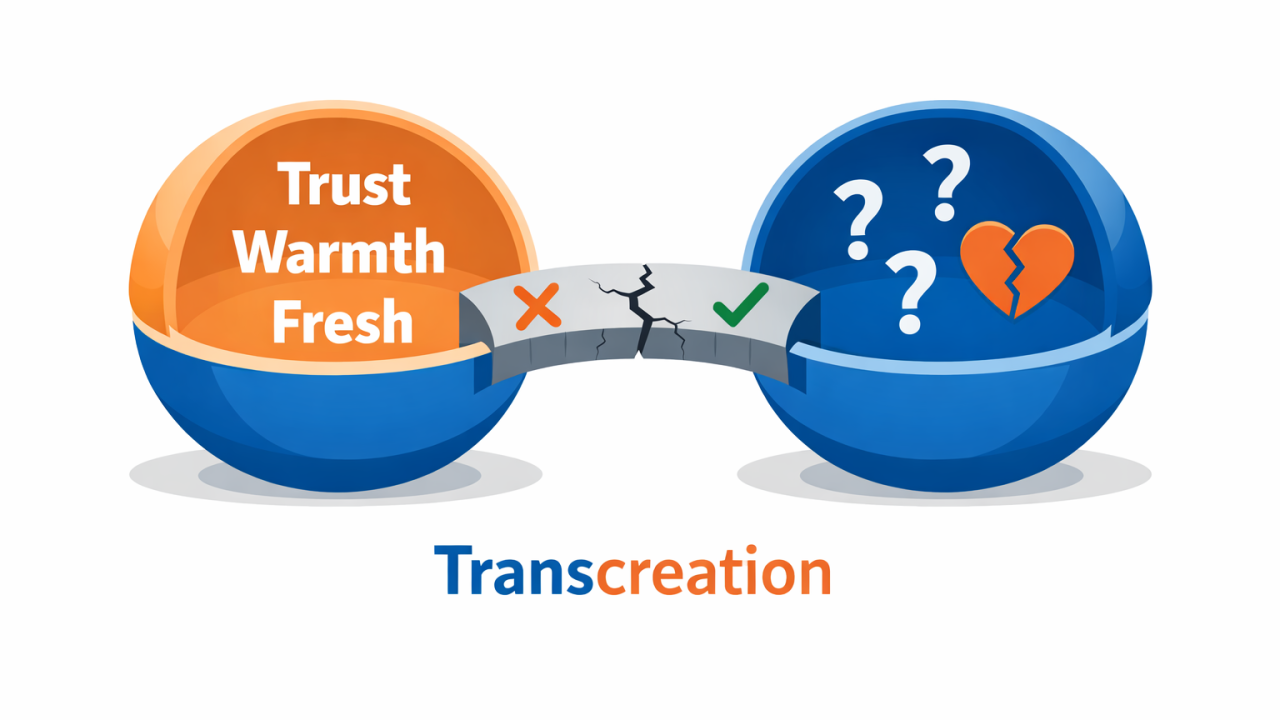
Some of the world’s most powerful marketing concepts cannot be translated directly into another language. From the Danish concept of hygge to the Portuguese emotion of saudade, these culturally unique expressions reveal how language shapes customer perception and emotional connection. This article explores the role of untranslatable words in marketing, the difference between translation and transcreation, and how global brands use localization strategies to build trust across cultures.

5 Signs Your E-Learning Voiceover Sounds Like a Robot

A poor eLearning voiceover can significantly reduce learner engagement, completion rates, and knowledge retention, even when the training content is well-designed. By using professional, natural-sounding voice talent with proper pacing, emphasis, and emotional delivery, organizations can create more engaging learning experiences that improve training outcomes and ROI.

Global Marketing Fails & Transcreation Services

Global brands often fail in international markets not because of poor products, but because of poor cultural adaptation. From slogans that carry unintended meanings to packaging that creates negative associations, literal translation can damage trust and cost companies millions.

German Grammar UI localization fix

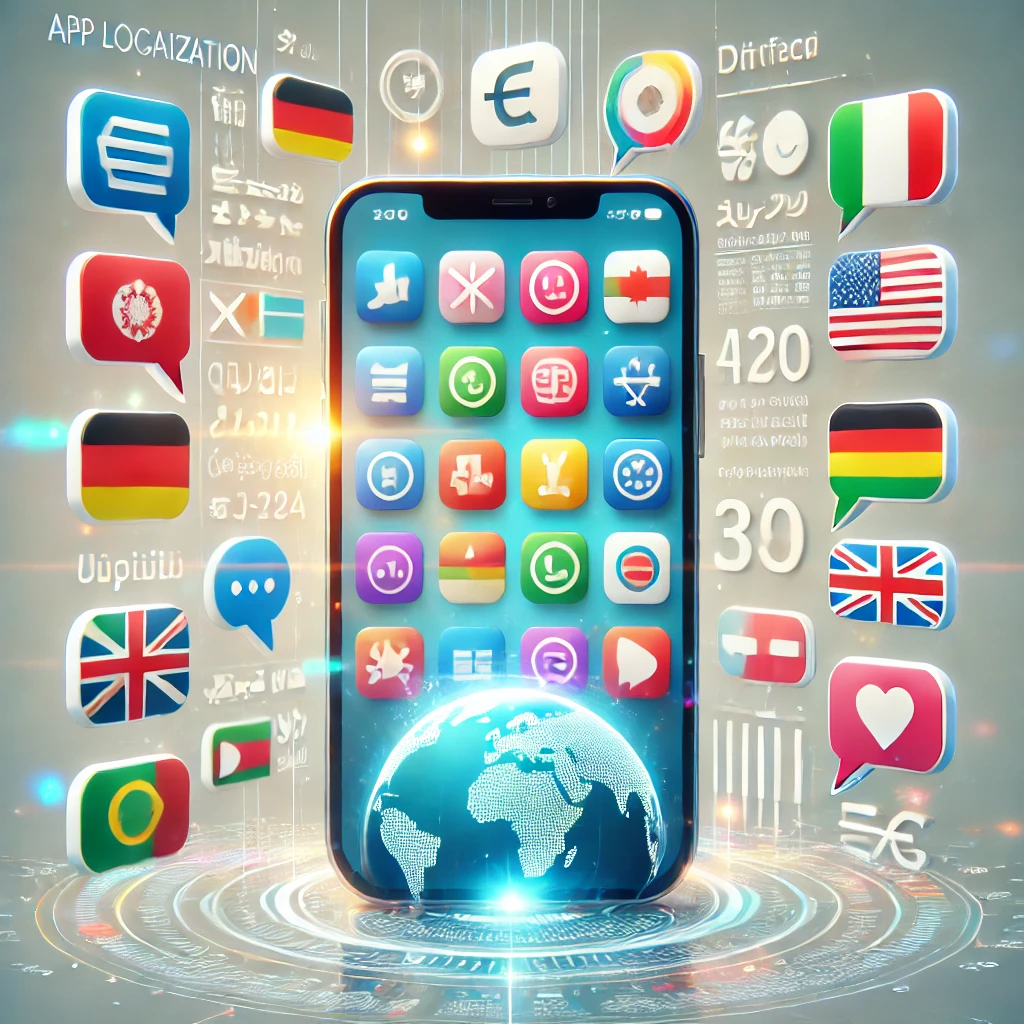
German text expansion can break UI layouts and buttons. Learn how software localization prevents errors and improves global user experience.

Localisation Strategy vs Translation Software: What Works Best in 2026

Untranslatable words like hygge, saudade, and sisu reveal how deeply culture shapes emotions and values. Successful global marketing strategy requires more than translation — it demands cultural understanding. Cultural localization helps brands connect emotionally with international audiences. When businesses align their messaging with local identity, they build trust, resonance, and lasting brand loyalty.

What “Hygge” and “Saudade” Teach Us About Global Marketing

Untranslatable words like hygge, saudade, and sisu reveal how deeply culture shapes emotions and values. Successful global marketing strategy requires more than translation — it demands cultural understanding. Cultural localization helps brands connect emotionally with international audiences. When businesses align their messaging with local identity, they build trust, resonance, and lasting brand loyalty.

Lost in Translation? When Text Breaks Change German Grammar | WordPar

Using a German example, it explains how a phrase that appears to be an error is often a logical response to missing context. The article shows how isolated text fragments can shift a sentence from an infinitive to a command. It emphasizes that such issues usually stem from source-text structure, not translator mistakes. The key message is clear: providing full context is essential for accurate and effective localization.


The Evolution of Voiceover

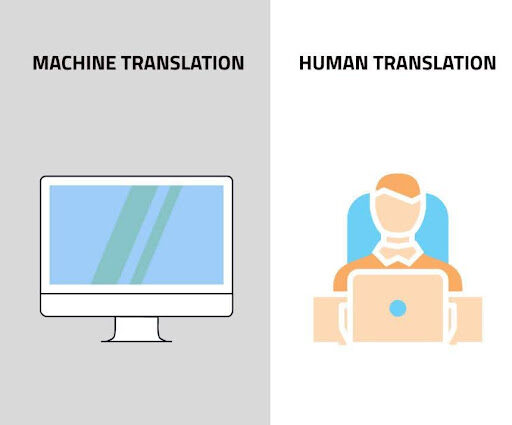
Voiceover localization is shifting to a hybrid model where AI handles speed and volume, while human talent adds emotion, cultural nuance, and authenticity. AI creates the first pass efficiently, and professional voice actors refine it to ensure natural delivery and audience connection. This collaboration helps businesses scale globally, reduce costs, and maintain a truly human brand voice.